Some stories stay with you.
Not because they’re distant or abstract, but because they feel close. Because they could have happened to someone you love. Because they remind you of how thin the line can be between an ordinary act of kindness and something that changes a life forever.
A Story I Can’t Stop Thinking About
Someone in our community opened her home to a woman who needed help. No strings attached. Just warmth, space, and a generous heart.
She had no way of knowing that the woman she welcomed was in the grip of serious mental illness, or what that would eventually mean.
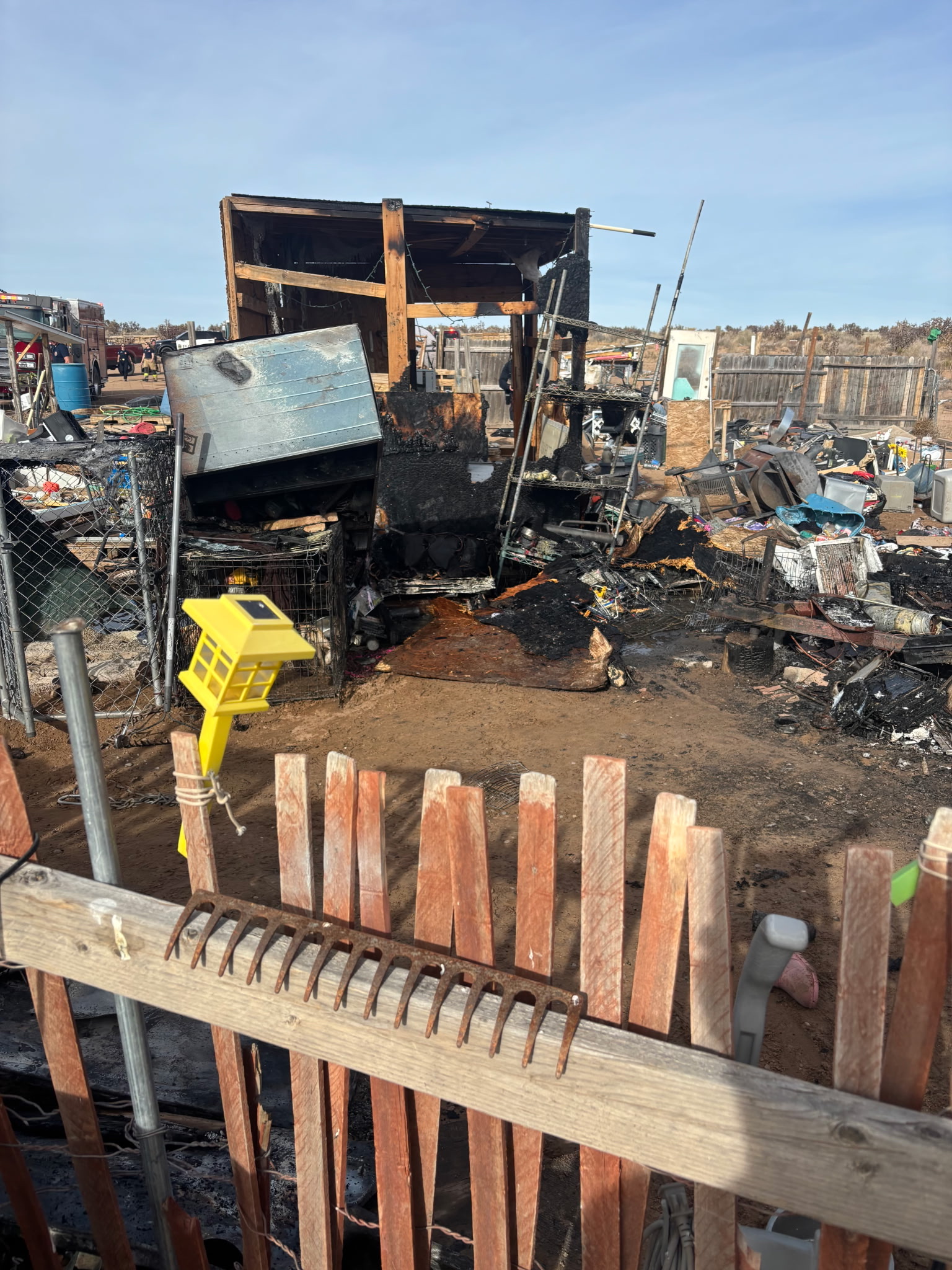
While she was away, that woman set fire to her home.
Everything was lost.
And in the most heartbreaking part of all, her rescue dogs, animals she had taken in and loved, were inside. They didn’t survive.
I’ve sat with this story for a while now, and I still struggle to find words that feel adequate. An act of compassion became an unimaginable loss. And she is left to carry something no one should have to carry alone.
The Harder Truth Underneath It All
Situations like this don’t happen in a vacuum.
We have mental health systems. We have housing supports and crisis response resources. But so often, those systems are fragmented, stretched thin, or slow to respond. People fall through the cracks and when they do, the weight quietly shifts to individuals. Kind, everyday people who step in without the tools, the information, or the backup they genuinely need.
Real resilience isn’t built in the aftermath of a tragedy. It’s built before one happens, through systems that are proactive, connected, and human.
That means investing in:
- Earlier identification and support for those struggling with mental illness—before a crisis point is reached
- Stronger community-based networks, so individuals aren’t left to navigate complex situations on their own
- More coordinated communication between agencies and services, so warning signs are seen—and acted on
- A deeper commitment to emotional and psychological recovery, not just the physical kind, in the wake of trauma
But Systems Alone Are Never Enough
Even the most thoughtfully designed system can’t replace what people give each other.
Community isn’t a concept. It’s showing up. It’s the meal dropped off, the donation made, the text that says “I’m here.” It’s sitting with someone in their grief instead of rushing past it. It’s reminding a person, again and again if necessary, that they are not alone, even when everything they knew has been taken from them.
Recovery happens through people. Full stop.
And I think both things can be true at the same time: we can push for systems that catch people before they fall and we can be the ones who catch them when those systems don’t.
Right Now, One of Our Own Needs Us
The woman at the center of this story is part of our community. She has lost almost everything. And she needs the kind of support that no policy can provide, the kind that only comes from people who choose to show up.
If you’re moved by her story, please reach out. Whether it’s a donation, or simply sharing this post so more people know, every gesture matters.
This is what community looks like when it matters most.
Warmly,
Molly A. Summers, P.C.C.
Life Coach, Author & Workforce Development Coach
Thank you for spending this time with me inside Journal for Focus, Feelings & Follow-Through
Schedule your free call or explore my books at coachingwithmollysummers.com.
Leave a Reply